
Stakeholder Alignment Group
2026 Stakeholder Alignment Group
CRKN has reconvened the Stakeholder Alignment Group to align senior leaders across the research ecosystem in advance of major publisher negotiations, reinforcing shared priorities and demonstrating a coordinated, national approach to sustainable scholarly communications.
Alejandro Adem | President, Natural Sciences and Engineering Research Council of Canada (NSERC)

Professor Alejandro Adem has been President of the Natural Sciences and Engineering Research Council of Canada (NSERC) since October 2019. As a highly accomplished researcher in the field of mathematics and a faculty member at the University of British Columbia, he has significant leadership experience in research and innovation. Before joining NSERC, he was CEO and Scientific Director of Mitacs.
At Mitacs, Professor Adem oversaw an unprecedented expansion of its programs, with the goal of delivering 10,000 internships annually across Canada and abroad. He worked closely with stakeholders to launch the Mitacs Canadian Science Policy Fellowship in 2016 and established an Indigenous engagement initiative.
He has served on a variety of scientific, editorial, and governance boards for the worldwide mathematical sciences community, including the Advisory Board for the Association for Women in Mathematics and the International Mathematical Union’s Committee for Women in Mathematics.
Normand Labrie | Interim President, Social Sciences and Humanities Research Council (SSHRC)
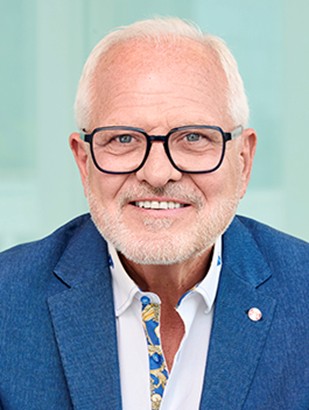
Normand Labrie has distinguished himself with his work on linguistic pluralism, a field he has studied from several angles, ranging from language practices and linguistic policies to identity-building and access to education for francophones living in French-language minority communities.
As a guest lecturer, he has taught sociolinguistics and Canadian studies at the Freie Universität Berlin, the Université Sorbonne Nouvelle–Paris 3, and the Christian-Albrechts-Universität zu Kiel.
After leading the Centre de recherches en éducation franco-ontarienne for 10 years, Labrie was associate dean of Research and Graduate Studies from 2004 to 2012 at the Ontario Institute for Studies in Education, which ranks among the world’s best institutions in the field of education. He was also scientific director from 2012 to 2015 of the Fonds de recherche du Québec–Société et culture.
For several years, Labrie acted as an international expert on linguistic minorities for the European Commission. He also chaired the Réseau international des observatoires du français et des langues nationales at the Agence universitaire de la Francophonie. From 2013 to 2017, he represented Canada on the Intergovernmental Council of UNESCO's Management of Social Transformations program, where he was elected rapporteur.
Labrie was named a chevalier of the Order of La Pléiade in 2007, in recognition of his contributions to the Francophonie in Ontario, and was elected as a fellow of the Royal Society of Canada in 2016.
Paul Hébert | President, Canadian Institutes of Health Research (CIHR)
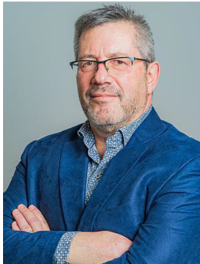
Dr. Paul Hébert was appointed as the President of the Canadian Institutes of Health Research (CIHR) on January 2, 2025. Dr. Hébert is a proud Acadian, a clinician scientist and health leader, as well as a practicing palliative care and former critical care physician. He is a professor of medicine at the University of Ottawa and was previously a professor at Université de Montréal.
During his career, he has had the opportunity to be the Canadian Medical Association Journal's Editor-in-Chief, publishing over 80 editorials in Canada's leading medical journal. He chaired the Canadian Critical Care Trials Group, the world's top critical care research network. As Physician-in-Chief and Director of Clinical Research at the Centre de recherche du Centre hospitalier de l'Université de Montréal, he mounted major programs while leading more than 400 physicians. In addition, Dr. Hébert served as Chief Medical and Science Officer at the Canadian Red Cross and Scientific Director of Ontario's Public Health Emergency Taskforce.
Dr. Hébert has had a long relationship with the former Medical Research Council and now with CIHR, and he attributes much of his success to funding from MRC/CIHR. Dr. Hébert led a clinical trial transformation initiative for MRC, was a member of an inaugural Institute Advisory Board, served on many peer review panels and developed the vision for the Strategy for Patient-Oriented Research as its original Executive Director. Dr. Hébert is a Fellow of the Canadian Academy of Health Sciences and was also the recipient of a number of career awards, including the Landsteiner-Alter Award for his groundbreaking work in transfusion medicine.
Mona Nemer | Chief Science Advisor, Government of Canada

The Office of the Chief Science Advisor provides advice on issues related to science and government policies that support it. This includes advising on ways to ensure that scientific knowledge is considered in public policy decisions and that government science is fully available to the public.
Before becoming the Chief Science Advisor, Dr. Nemer was Professor and Vice-President of Research at the University of Ottawa and Director of the school’s Molecular Genetics and Cardiac Regeneration Laboratory. She holds a PhD in Chemistry from McGill University and did post-doctoral training in molecular biology at the Institut de Recherche Clinique de Montréal and Columbia University.
Rémi Quirion | Chief Scientist of Québec
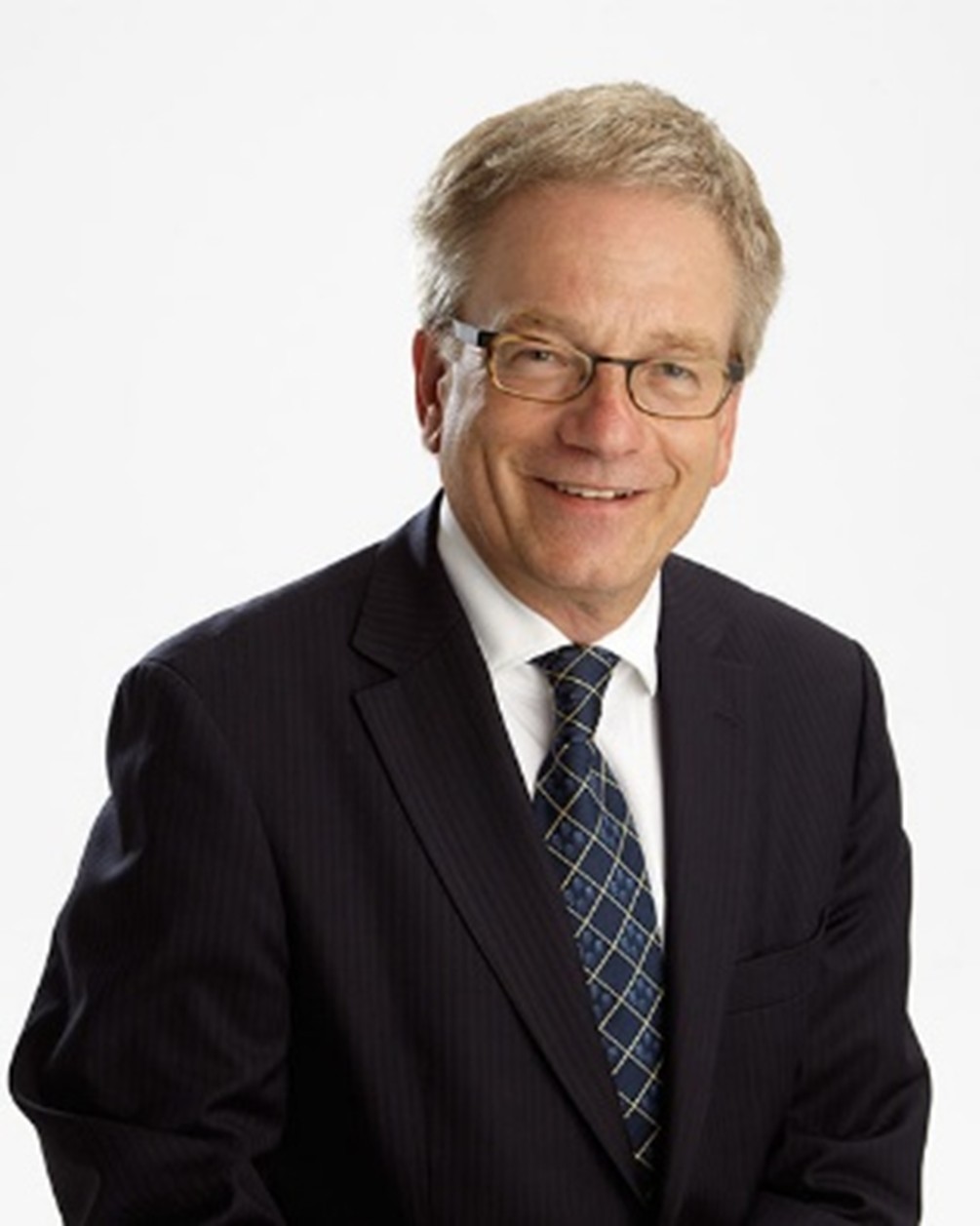
Professor Rémi Quirion is the inaugural Chief Scientist of Quebec since July 2011 and has been elected President of the International Network for Governmental Science Advice (INGSA) in 2021. As McGill Full Professor, Psychiatry and outgoing Scientific Director at the Douglas Mental Health University Institute, he served as Vice-Dean, Faculty of Medicine at McGill University, as well as Senior University Advisor (Health Sciences Research) in addition to being the CIHR Executive Director, for Alzheimer's Diseases, from 2009 to 2011. Prof. Quirion was the inaugural Scientific Director of the Institute of Neurosciences, Mental Health and Addiction (INMHA) until March 2009. Since 2011, he is the Chief Executive Officer of the Fonds de recherche du Québec (Santé – Nature et technologies – Société et culture).
Rémi Quirion has received many awards and recognitions including Officer of the Order of Canada in 2007. He is a Fellow of the Royal Society of Canada, Fellow of the Canadian Academy of Health Sciences, a Knight of the Ordre national du Québec and a Knight of the Ordre de la Pléiade. He is a member of the Canadian Medical Hall of Fame, the Académie Nationale de Médecine de France and the International Council of Science.
Karine Morin | President and CEO, Federation of Humanities and Social Sciences (FHSS)
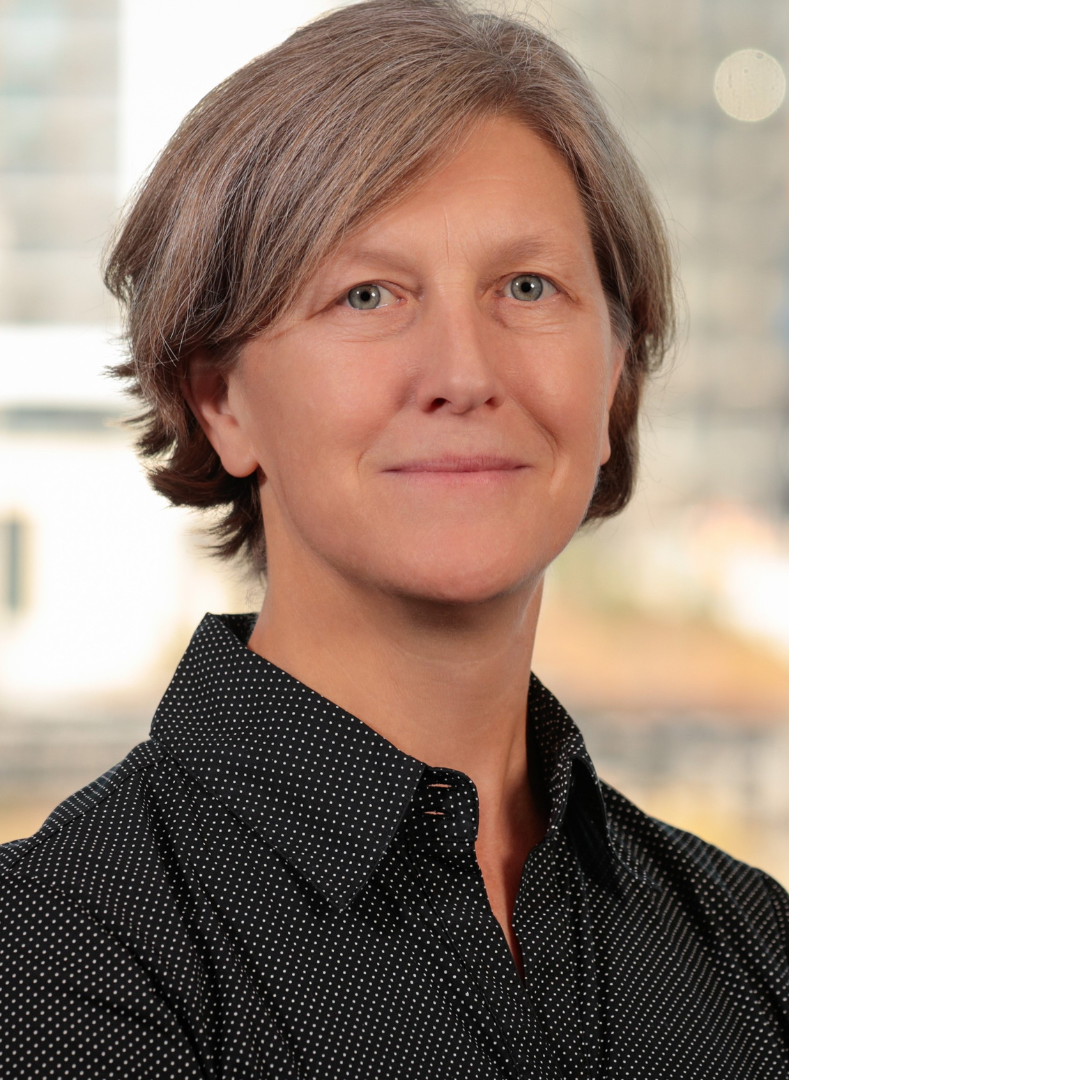
Karine Morin has worked at the interface of government and the academic community for more than two decades, both in Canada and the United States.
Most recently, at the Natural Sciences and Engineering Research Council (NSERC), she steered the tri-agency action plan on equity, diversity, and inclusion (EDI), where she also led the development and implementation of Dimensions, a flagship program that guided universities and colleges to advance EDI across their research ecosystems.
Over the span of the previous 15 years, she held various senior and executive positions, leading a range of complex policy initiatives with several funding organizations, including Alberta Innovates, Genome Canada, and the Canadian Institutes of Health Research (CIHR), after working as a research associate at the University of Ottawa’s Institute of Science, Society and Policy.
She also worked for nearly seven years at the American Medical Association, where she was promoted to Director of Ethics Policy and spearheaded the modernization of the AMA’s Code of Medical Ethics.
Karine holds civil and common law degrees from McGill University, and also completed a Master’s degree in law at the University of Pennsylvania.
Her early career in bioethics was inspired by her work on the Commission of Inquiry on the Blood System in Canada, known as the Krever Report.
She and her partner are avid paddlers who enjoy exploring the waterways of the Ottawa Valley.
Daniel Jutras | Rector, Université de Montréal
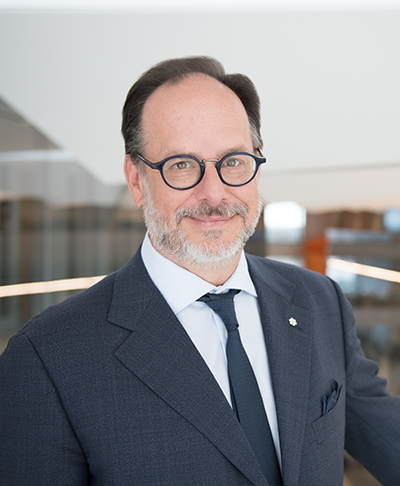
With degrees in law from Université de Montréal and Harvard University, Daniel Jutras has been UdeM’s rector since June 1, 2020. A specialist in civil and comparative law, his expertise is internationally recognized, the result of a long career devoted to the study of contract law and civil liability, class actions and judicial institutions. As a seasoned teacher and an early player in the integration of a comparative and pluralist perspective in the teaching of law, Mr. Jutras has played a leading role in the transformation of legal education programs in Quebec and elsewhere in the world.
In addition to his academic activities, Daniel Jutras has contributed to Canadian public and political life as an ethics consultant to the Canadian Judicial Council, as a member of the independent advisory committee on Senate appointments and as a member of the independent advisory committee on the appointment of the Governor General of Canada. The Supreme Court of Canada has appointed him as amicus curiae in two of the most important constitutional cases of the last decade. Between 2002 and 2004, Daniel Jutras was also senior counsel to the Chief Justice of the Supreme Court of Canada, the Rt. Hon. Beverley McLachlin.
Today, he is a member of numerous boards of directors in the university sphere and in civil society organizations such as the Centre hospitalier de l'Université de Montréal, the Montreal Clinical Research Institute, the Board of Trade of Metropolitan Montreal, the Canadian Research Knowledge Network, the Interuniversity Cooperation Office and the U7+ international university network.
At the time of his appointment as UdeM rector, Daniel Jutras held the Wainwright Chair in Civil Law of McGill University’s faculty of law. At the same faculty, between 1985 and 2020, he was in turn vice-dean, director of the Institute of Comparative Law and finally dean, from 2009 to 2016.
His contributions to academic life, Canadian political life and educational innovation have been recognized by his appointment as an officer of the Order of Canada. As a McGill professor, he received an award for excellence in teaching. He was also awarded the Médaille du Barreau du Québec in 1983, the Queen Elizabeth II Diamond Jubilee Medal in 2013, the distinction of Advocatus emeritus of the Quebec Bar in 2014 and the Mérite du Barreau du Québec in 2016. In 1982, upon completion of his studies at the UdeM, Daniel Jutras proudly received the Academic Medal of the Governor General of Canada.
Kim Brooks | President, Dalhousie University; CRKN Board Chair
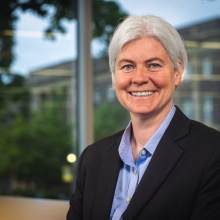
Dr. Kim Brooks began her five-year term as Dalhousie's 13th President and Vice-Chancellor in August 2023, after serving as Acting Provost and Vice-President Academic. She previously served as Dean of the Schulich School of Law from 2010-15 and as Dean of the Faculty of Management from 2020-22.
A 3M Teaching Fellow, Dr. Brooks has held the H. Heward Stikeman Chair in the Law of Taxation at McGill University and the Purdy Crawford Chair in Business Law at Dalhousie in addition to academic appointments at Queen’s University and the University of British Columbia. Prior to entering the academy, she worked as a tax lawyer with Stikeman Elliott in their Toronto and London (UK) offices. Among her numerous board and professional roles, she has been Chair of the Halifax Public Libraries Board, President of the Canadian Centre for Legal Innovation in Sexual Assault Response, President of the Canadian Association of Law Teachers, and Chair of the Women’s Legal Education and Action Fund. She is currently Chair of the Canadian Research Knowledge Network Board.
Dr. Brooks holds a PhD from the University of Western Australia, a LL.M. from York University, a LL.B. from UBC and a BA from the University of Toronto.
Melanie Woodin | President, University of Toronto
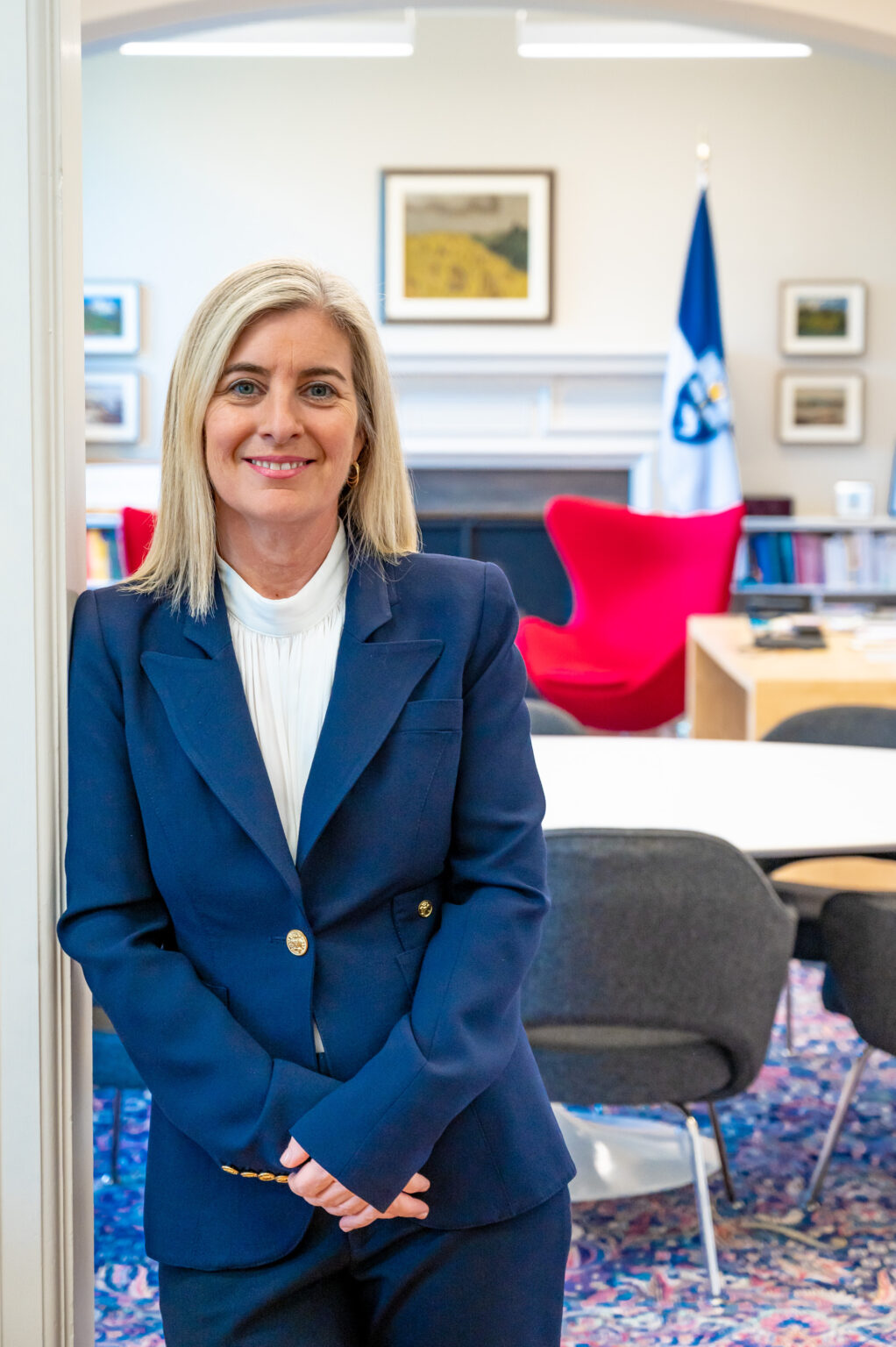
Melanie A. Woodin is an internationally recognized neuroscientist and the 17th President of the University of Toronto.
Widely respected as a scholar, teacher, mentor, and administrator, President Woodin is a Professor in the Department of Cell & Systems Biology and former Dean of the University’s Faculty of Arts & Science. She is dedicated to enriching student life by advancing innovative teaching, fostering inclusive communities, and supporting career development—exemplified by her launch of the Arts & Science Internship Program (ASIP). Under her leadership, the Faculty’s Acceleration Consortium was awarded $200 million, the largest federal research grant awarded to a university in Canadian history.
She is renowned for her multidisciplinary approach to examining synaptic communication in the brain and has authored or co-authored more than 50 academic papers and book chapters. She and her research team are unravelling mechanisms that lead to neurological disorders and diseases, including autism spectrum disorder, Huntington’s disease, and ALS. She has received research funding from the Natural Sciences and Engineering Research Council of Canada, the Canadian Institutes of Health Research, and the Simons Foundation Autism Research Initiative, among others.
She serves on the board of several organizations, including SickKids, and is a past director of the Vector Institute and past president of the Canadian Association for Neuroscience.
Joy Johnson | President, Simon Fraser University
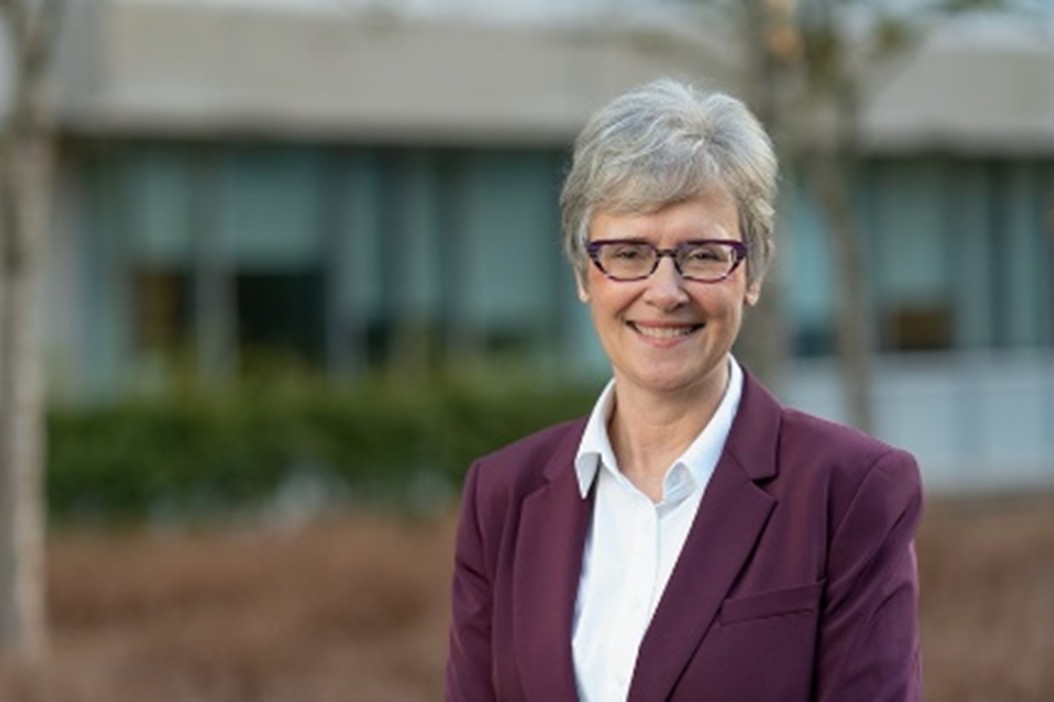
Joy Johnson is president and vice-chancellor of Simon Fraser University, and professor in its Faculty of Health Sciences. She is committed to carrying out SFU’s vision to be a leading research university, advancing an inclusive and sustainable future.
An elected Fellow of the Canadian Academy of Health Sciences and a Fellow of the Royal Society of Canada, Joy is also chair of the Research Universities’ Council of British Columbia and chair of the Universities Canada board.
Alan Shepard | President, Western University
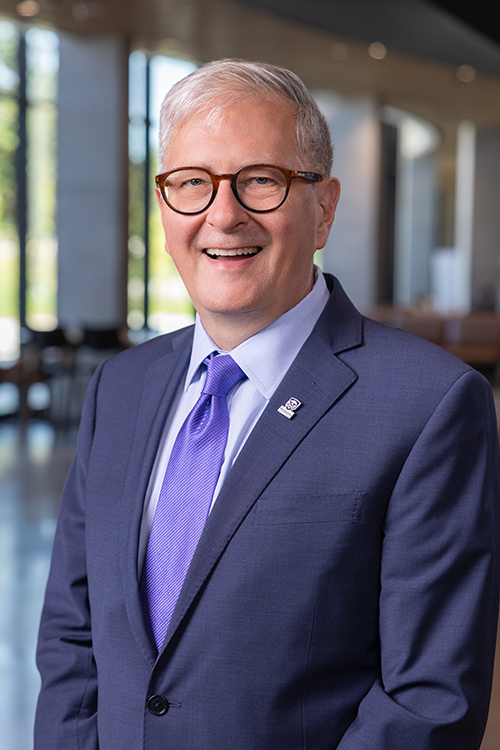
Alan Shepard is Western University’s eleventh President.
He has held senior roles as president and vice-chancellor of Concordia University in Montreal and provost at Ryerson (now Toronto Metropolitan University).
He is currently a member of the governing council for the Association of Commonwealth Universities, is a past chair of the Council of Ontario Universities and a past vice-chair of the U15 Group of Canadian Universities.