
Science Dimension (1969–1984): Seeking Evidence of Women in STEM

In conversation with: Olivia Georgiou, Percy Miller, and Angela Joosse
https://doi.org/10.82389/wy65-dm66
Women in Science Dimension: Hidden Histories Revealed
During the Fall 2025 term, Olivia Georgiou, Queen’s University undergraduate student in Political Science and History, joined CRKN staff members Percy Miller, Heritage Services Specialist, and Angela Joosse, Community Engagement Specialist, on a project focused on the publication Science Dimension. The project was driven by two key questions, one theoretical and one technical:
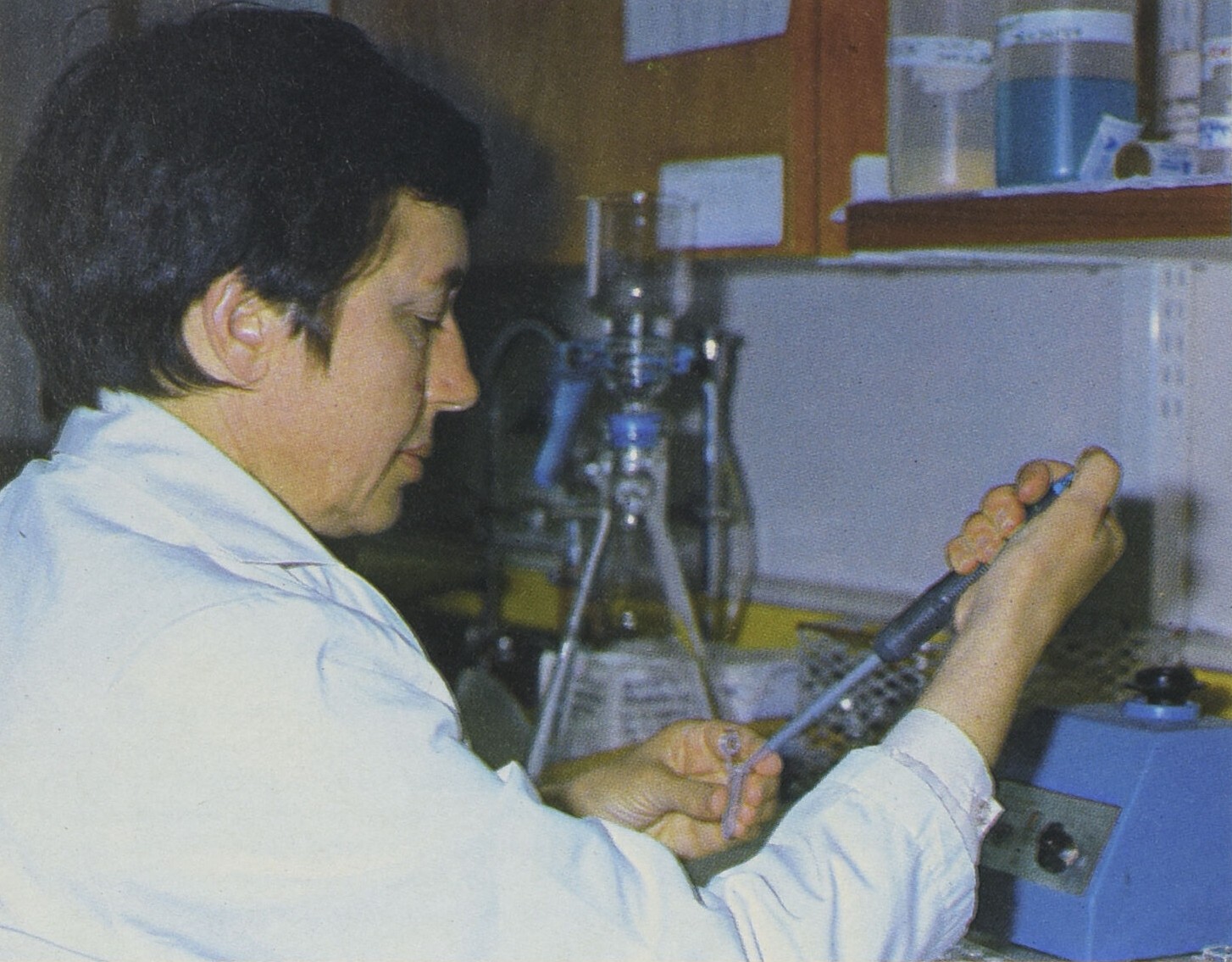
1. What evidence of Women in STEM (Science, Technology, Engineering, and Mathematics) can be gathered from the historical Science Dimension volumes?
2. Could the Table of Contents for each volume of Science Dimension be used in a systematic way to potentially help increase accessibility for all users of Canadiana?
In the dialogue below, Angela interviews Olivia and Percy, asking questions that guide their reflection on the four-month collaboration and its key takeaways.
AJ: “Percy, what is Science Dimension and how did it come to be included in Canadiana?”
PM: Science Dimension was a science communication magazine created by the National Research Council (NRC) and was published from 1969–1984. The title went live in Canadiana on March 30 of this year and includes 94 issues, which total 3,442 page images.
AJ: “Olivia, can you describe the process you followed to address the two questions mentioned above?”
OG: Over the course of the semester, I spent five to seven hours per week reviewing the Science Dimension collection to collect data on women in STEM. My process involved searching through each volume that is now available on Canadiana and documenting any instances where women were mentioned within scientific roles. I tracked examples of women’s involvement in STEM across the collection, reviewing articles, captions, and photographs and I made note of the types of roles women usually held. I recorded whether women appeared as writers, editors, scientists, or subjects in photographs. I also noted how they were described in captions and text, paying close attention to changes over time. During my research I was able to document women’s presence in the Canadian scientific landscape during the years that Science Dimension was available.
As part of my work, I also gathered Table of Contents metadata for each issue, including article titles and subtitles, authors, and image references, compiled into an Excel sheet. This structured metadata will make the content far easier for users to navigate. Rather than clicking through every page to find a specific article, users will soon be able to rely on a searchable table of contents to go directly to what they need. This work helps make Science Dimension and the broader Canadiana collection more accessible and inclusive, encouraging more people to explore and engage with these historical materials.
By extracting metadata and analyzing details of women’s contributions in STEM, my goal was to both enhance accessibility within Canadiana and engage with historical scientific evidence of women participating in Canadian science.
AJ: “We began this project knowing that women are generally underrepresented in STEM fields. This led us to ask whether we could identify and highlight examples of women participating in STEM within the Science Dimension volumes available to us. Olivia, can you share some of the evidence you found?”
OG: As I reviewed the collection, I found multiple forms of evidence showing women participating in Canadian scientific work. Even though they were still underrepresented compared to men, women were shown in images, captions, authors, and later on, as scientists. Some of the key examples include:
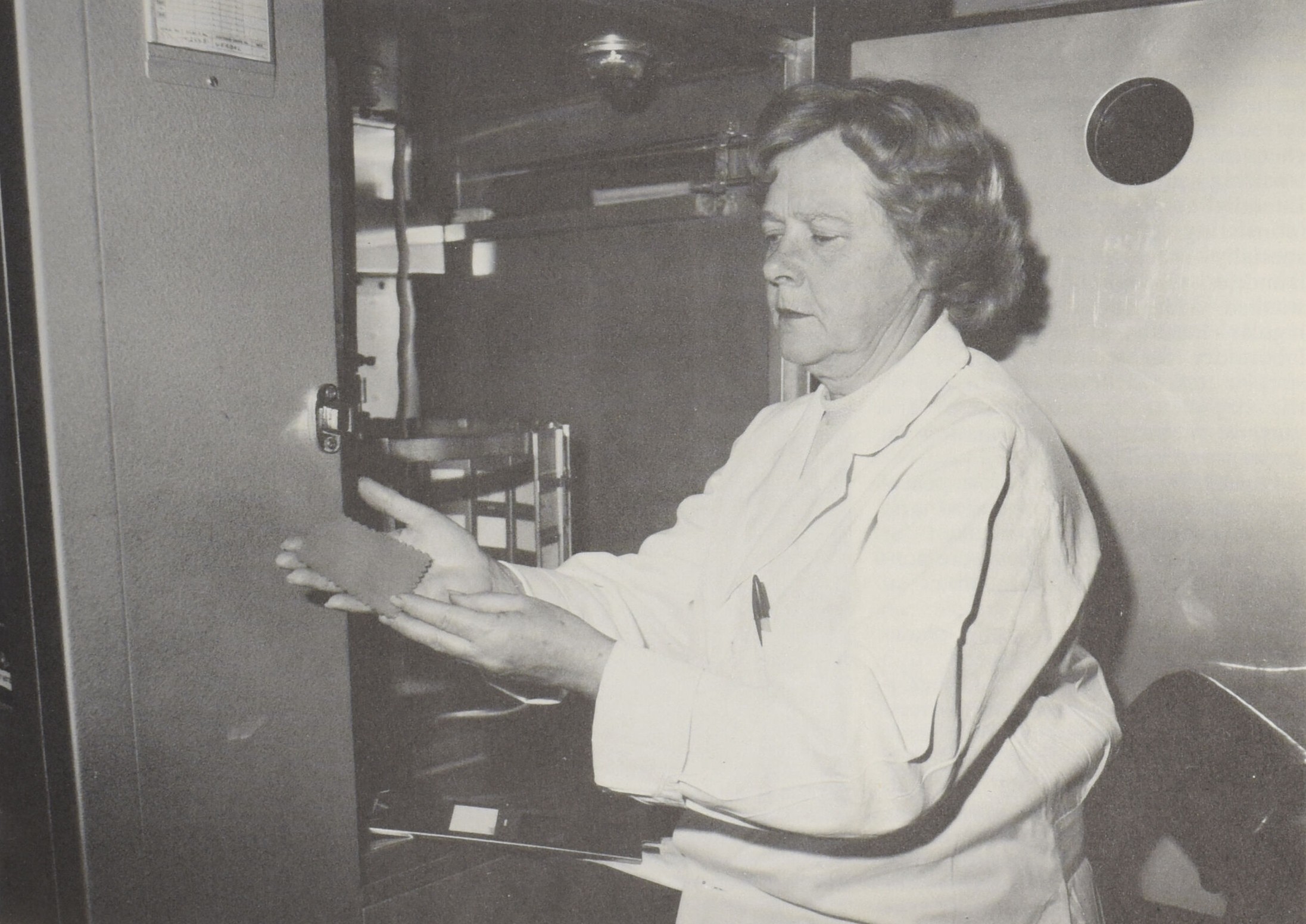
- Women are credited as writers and editors throughout the publication. Contributors such as Annie Hlavats and Patricia Montreuil appear in multiple issues throughout the collection.
- Women researchers and laboratory staff are shown and named in photographs or described in article text, particularly in applied science settings (for example Margaret Mitton). One of the earliest appearances of women in Science Dimension was images of women operating punch-card systems for early computer-assisted translation research in April 1969 (Vol. 1, No. 1, im. 22, 23).
- Shifts in language and professional titles are visible over time. In earlier issues, women working in laboratories were sometimes identified in captions by courtesy titles such as “Mrs.” while men photographed beside them were identified as “Dr.” An example of this appears in the August 1970 caption “Dr. Paul A. Giguère and one of his coworkers, Mrs. Herman” (Vol. 2, No. 4, im. 27, 28).
- Women’s visibility increased in the late 1970s and early 1980s, with more women appearing in credited roles within articles and photographs during these later years of the publication.
- Articles also highlighted women’s scientific research later in the publication, such as a 1984 feature on Dr. Jean Himms-Hagen, which described her work studying how brown fat may be linked to human obesity (Vol. 16, No. 4, im. 14).
AJ: “Are there any particularly noteworthy contributions by women that you found?”
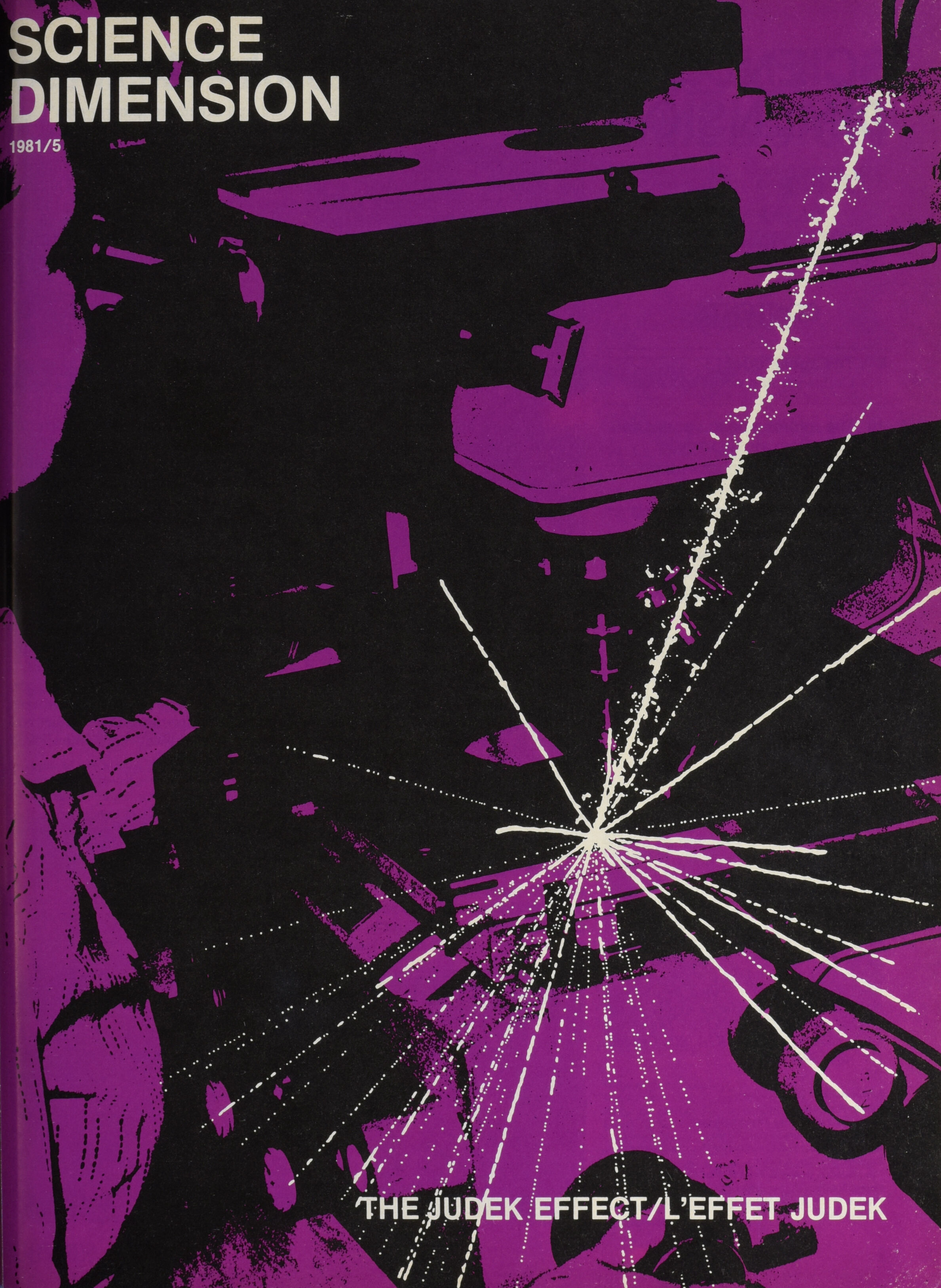
OG: One famous example is the 1981 article on Dr. Barbara Judek, whose findings were labelled “The Judek Effect”. She used photographic emulsion plates to find evidence of unusual patterns in nuclear particles (Vol. 13, No. 5, im. 4). This case highlights a woman scientist's discovery, who was also credited for her work, which was especially significant since few women were formally credited for their scientific contributions at the time of these publications. Her expertise showed her importance to Canadian scientific research.
AJ: “Percy, as we worked on this project, you started looking into the magazine’s purpose and intended audience. Can you tell us what you found?”
PM: In Volume 1, No. 1 (April 1, 1969), we see a foreword from NRC President W.G. Schinder noting that Science Dimension is being brought about as a replacement for NRC Research News (which had been regularly published since 1948) in an effort to make the publication of science news at NRC “more effective and informative" (im. 9). Schinder also notes that “the larger format will permit the publication of scientific stories in greater detail, and enable the Council to keep readers better informed of its other activities, comprising laboratory research and research support for universities and industries” (im. 9).
In speaking to my grandfather, Fred Ellis, who worked for the National Research Council for over forty years, he noted that Science Dimension was a way for himself and his colleagues to access key updates from within the various branches and distinct areas of research at NRC.
AJ: “We are also aware that efforts to encourage more women to enter STEM fields have developed over the years. Olivia, did you find any historical evidence of such efforts in Science Dimension?”
OG: One example of efforts encouraging more young women to enter STEM was mentioned in Volume 16 which was the last set of volume publications of Science Dimension. The article titled “Science for Every Student” (Vol. 16, No. 3, im. 7), written in 1984 by Anne Mcllroy, highlighted how science education in Canada was not delivered efficiently or evenly. The article noted that many schools lacked training since many teachers did not study or teach science at all. Scientists identified that girls are the group who can benefit from additional encouragement in pursuing and enjoying science. The article suggests that there was growing awareness at the time of the barriers that limit girls' participation in science from a young age.
AJ: “Percy, can you describe how the Table of Contents information Olivia collected might be implemented in the future?”
PM: As Olivia noted, implementing this tool will allow users, particularly those using screen readers and other adaptive reading devices, to navigate through the item much more quickly. It also allows users to more easily jump through the item to access the content they are interested in, rather than manually scrolling through the item.
Rediscovering the Women Who Shaped Canada’s Scientific Story
AJ: Thanks to the excellent and meticulous work conducted by Olivia over the semester, we can now highlight some of the often buried or hidden contributions by women in Canada in the recent past. The care that Olivia put into collecting information from Science Dimension will benefit many users of Canadiana.

Olivia Georgiou (https://orcid.org/0009-0009-2368-1500)
Olivia Georgiou joined CRKN in September 2025 as a Digital Heritage Exhibitions Assistant through the HIST 512 internship at Queen’s University, where she is completing a major in Political Studies and a minor in History.

Percy Miller (https://orcid.org/0000-0001-5092-930X)
Percy Miller is the Heritage Services Specialist at CRKN. She holds a BA from Mount Allison University, as well as a Master of Information from the University of Toronto. Percy is passionate about providing excellent service to research communities.
Angela Joosse (https://orcid.org/0000-0003-3198-4324)
Angela is dedicated to community-building and fostering collaboration for collective benefit. She holds a PhD from the York/Toronto Metropolitan program in Communication and Culture, and a Master of Information from the University of Toronto.